
Student Success in Chair Yoga
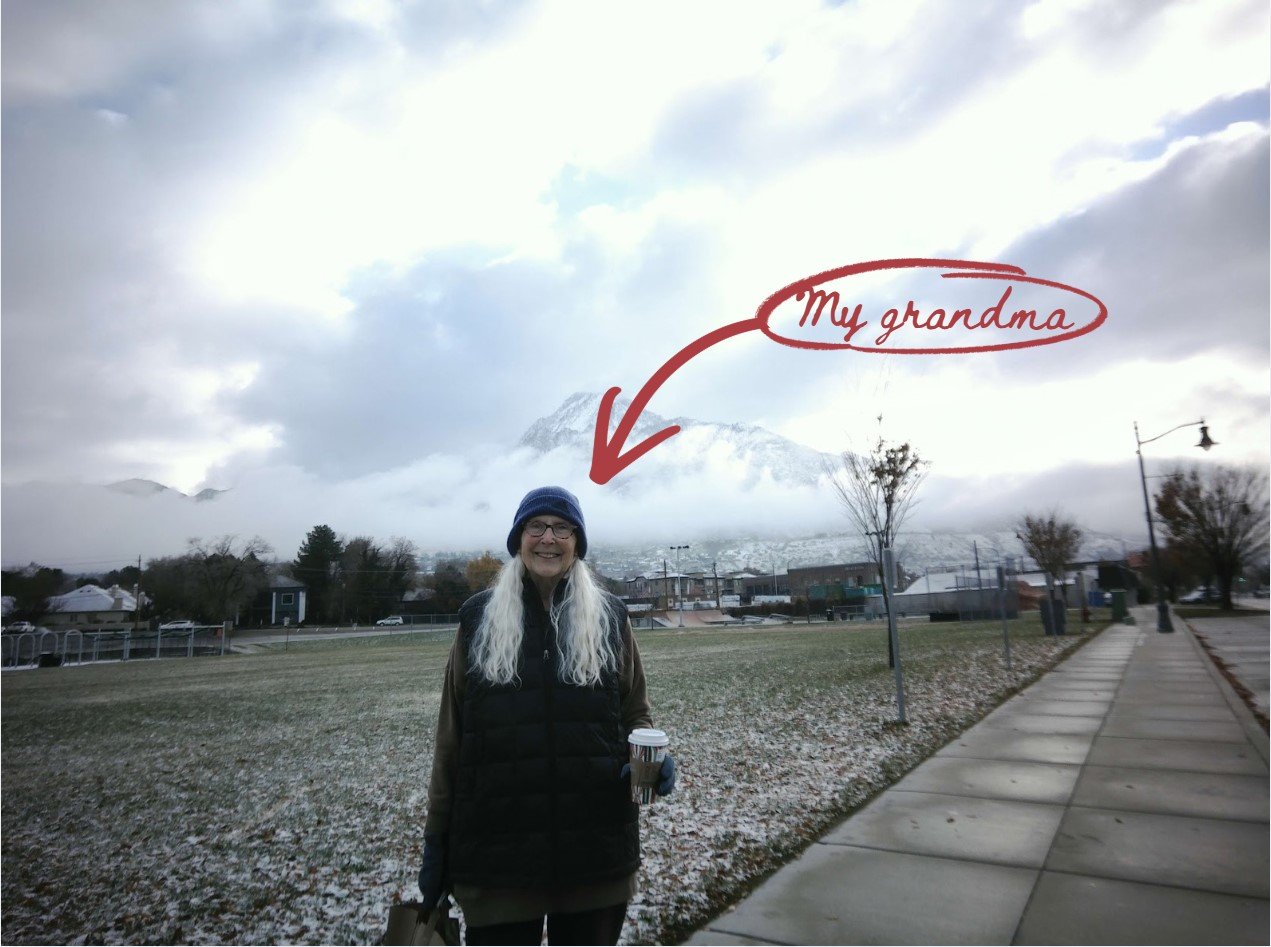
Just over a year and a half ago, I started teaching my grandma chair yoga. Right after I finished my Yoga Teacher Training (YTT) in December of 2024, she expressed that she always knew she should be doing yoga and wanted to start. Since traditional yoga on the floor wasn’t something her body could accommodate, I adapted vinyasa poses so they could be done in a chair.
“I’ve been wanting to try yoga for the last 40 years, but I just haven’t made it a priority.”
As she’s gotten older (she just turned 84!), her body has started to show its age by presenting with arthritis, more limited mobility and lessened grip strength. Her goal from the beginning was to become more mindful, being the matriarch of the family has its stressors, and increase strength and mobility while lessening pain in her arthritic joints.
Since those first few classes, we’ve ironed out some of the quirks and have started a practice that’s been really beneficial for her. In July, I travelled to Minnesota to become a certified chair yoga instructor. Taking a course that was specific to chair yoga taught me new ways of teaching to a variety of abilities so I’ve been able to cater our practices to her needs even more. Through our weekly classes, she’s learned different movements that she can do on her own, in between our classes. She can now do things that she hasn’t been able to do in years, like raising her arms above her head, crossing her legs and she has less neck and shoulder pain. Yoga has given back her youth and mobility in an empowering way that medications and physical therapy has done for her in the past. She is less willing to jump to anger and stress while being able to accept what may come. She tells me time and time again, “that is exactly what I needed. If only I had started sooner.” She has taught me not to wait to start doing something that is good for me and the importance of starting young.
While the needs of her aging body continue to change based off of mental needs and physical demands, we’re adapting how and what she is practicing during our weekly sessions. Now, her goal is to sustain the range of motion she has gained and continue to feel mindful in her day-to-day experiences. We both feel so lucky to be able to practice yoga together. I get to spend time with my grandma and help her do something for herself. She has always been so selfless and willing to help all of her family members; this is a small thing that I can do for her in return for all of the ways she has supported me throughout my life. Yoga has given both of us so much.
What has yoga given you?
If you would like to share your story about how yoga has affected you, respond to this newsletter with your story and maybe some pictures. Our yoga community is here to support you and others that may be experiencing similar things. Inspire others with YOUR story.
Yoga Q & A
I asked our yoga community what questions they had for me about yoga and this is how they replied:
In your opinion, what is the best pose and why?
That’s a tough one.There are so many different poses that are great for different things so it depends on what you are needing. As far as poses that I enjoy go, I like child’s pose. It’s a classic that is used in almost every yoga class. It lengthens your spine, decompressing the lower back. Extending your arms overhead releases any tension in your shoulders and having your legs bent beneath you stretches your hamstrings. Having your head placed on the ground creates a connection between your third eye chakra (or your intuition) and mother earth. With your belly over your thighs, it brings your awareness to your breath. The best yoga poses should engage your whole being.
What kind of yoga is best for beginners?
It depends on what you are hoping to get out of yoga. If you’re wanting to gain muscle and discipline, try Ashtanga. If mindfulness and stress reduction are more your thing, try Kundalini. If you need to detox your body and enjoy sweating, try out hot yoga or Vinyasa. If you need some deep stretching and enjoy a slower pace, maybe Yin or Restorative yoga is for you. I don’t exclusively teach any of these styles of yoga but tend to blend principles of all of them into each of my classes. If you are looking for a traditional Ashtanga or Kundalini practice, I linked my favorite spots above. Regardless of what you choose, you can gain something from each style of yoga.
Where do you start after not stretching or doing yoga for a while?
Getting back into yoga can be a hard thing. I find that it tends to be more of a mental battle than a physical one. Your body needs the benefits of yoga, it’s the mind that fools you into being unmotivated. To counteract this, I would start by finding a studio or place to do yoga with other people. Doing yoga with someone else keeps you accountable and you’re more likely go. While your body may be a bit more tight after not practicing yoga, just know that there are always modifications, just be honest with your instructor and they can help you find a variation of each pose that works for you. Remember, make each pose work for your body, don’t force your body into a pose that doesn’t suit it. Be honest with yourself and the rest will come.
What equipment do I need to start practicing yoga?
You’ve decided to take the leap into yoga and buy all the unitards, the leg warmers...leg warmers? Unitards? Is this an 80's jazzercise class? You definitely don’t need either of those but you will need at least a yoga mat and comfy clothes. Most studios have equipment you can borrow, including mats but some charge you a rental fee so it’s best to bring your own if you don’t know their policy. If you prefer to use all of your own equipment, you should start with two blocks and a yoga mat towel (for hot or vinyasa yoga) as well as a mat. Each type of yoga will generally use those items and some, like kundalini, restorative or yin will use other props as well (like a meditation cushion, bolsters, blankets or straps). Mi Casa Yoga Studio has mats, blocks, blankets, bolsters and some straps, all free to use!
What other habits are helpful in conjunction with yoga?
There is ancient, yogic teachings about how to live and create a healthy lifestyle, it’s called Ayurveda. While it has become somewhat mainstreamed, there are some nuances to it. For starters, diet depends on what your primary dosha (linked to body type but also to your energy, take a test here) is. There are three different doshas that dictate what a healthy lifestyle is for you. While we tend to have more of one of these doshas present, we represent all of the doshas, just at varying levels. An imbalance can be cause by many things and present itself in different ways depending on which dosha it is affecting. For example, my primary dosha is kapha but lately I’ve been feeling hot and irritable which is associated with pitta. There are certain foods that I should eat and others to avoid in order to restore balance within my body. Read this article to learn more about the foods you should avoid and which ones to favor when you’re experiencing an imbalance.
Why do we lay flat on our back at the end of a class?
You should be laying on your back at the end of every yoga practice. This is called savasana, corpse pose or final resting pose. It is meant to be a time of relaxation, allowing your mind to clear and your body to absorb all the benefits of your practice. Each instructor and style of yoga has a different way of facilitating this time. Traditionally in vinyasa, 10% of your overall time in class is set aside for this final resting pose (around six minutes for an hour long class). Kundalini yoga tends to have longer savasanas as it’s a time for meditation. When I teach yoga, I lean towards having longer savasanas to allow everyone to simply lay down. This provides a space for thoughts to wander, still and hopefully meditate.
If you ever have more questions about yoga, my classes or anything else, feel free to reach out via email, Instagram or message me on my website.
Namaste,
Anna
What Are Chakras?
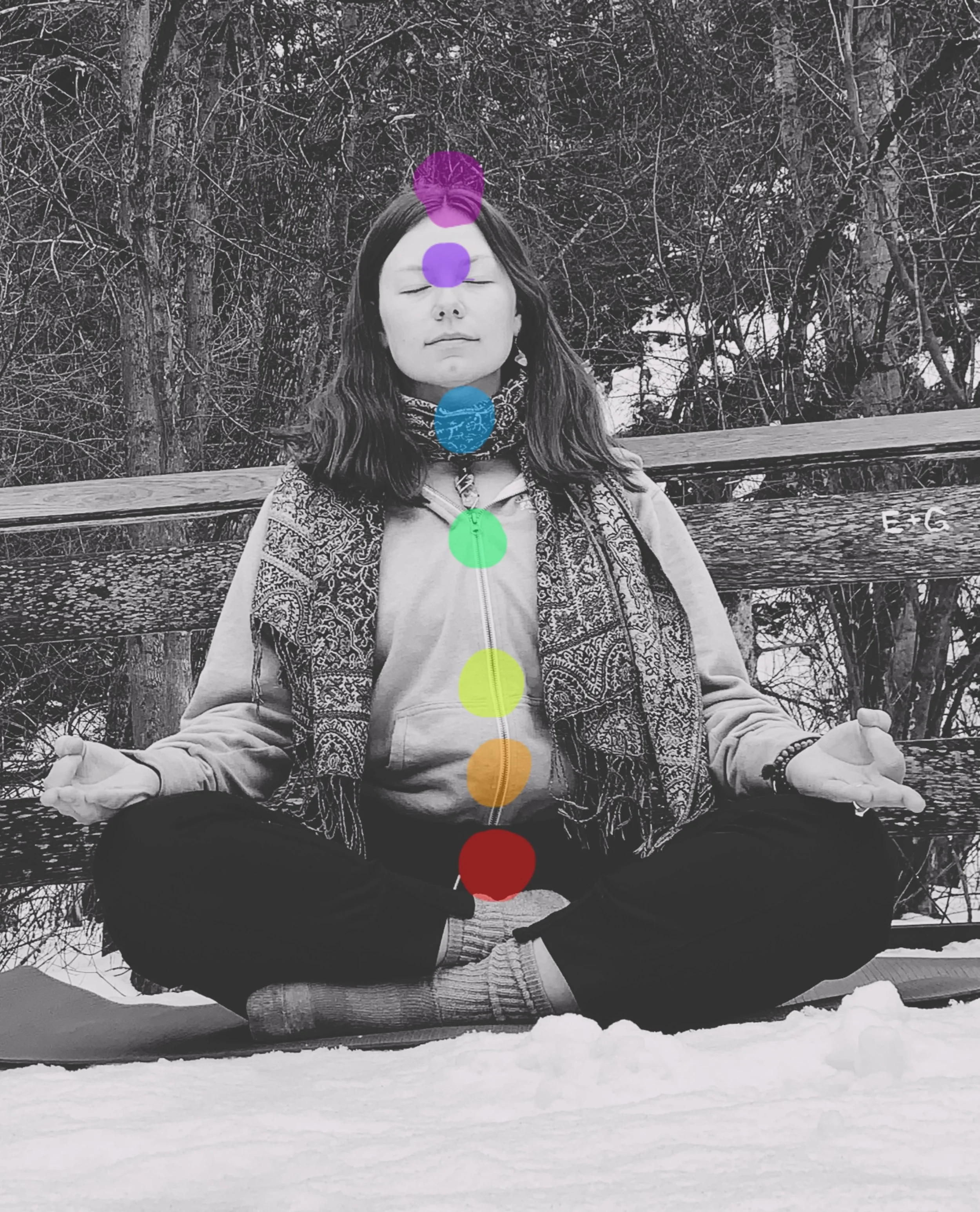
You’ve probably heard the term “chakra” thrown around in recent years, but what does it mean? Chakras are centers of energy. They are switches that channel energy into every part of your physical, emotional, mental and spiritual bodies. There are seven major chakras that radiate out from different points along your spine and runs from the base of your spine to the top of your head. Each of these chakras govern different types of energy.
How They Affect You
Chakras are responsible for creating and maintaining your very existence. Because they act like a switch, they can sometimes be turned “off” or become unbalanced causing deficiencies within the body. The seven major chakras each have different characteristics and energy that they harness. The chakras found lower along the spine act as the building blocks for survival and as you go up, you move towards more complex needs. I like to think of it as the yogi version of Maslow’s Hierarchy of needs.
The Muladhara Chakra (Root Chakra) is located at the base of the spine and is all about self-preservation. When it is balanced, you experience good health, confidence, a sense of trust with the world, prosperity and stability. But when it becomes unbalanced, you may feel disconnected from your body, disorganized, greedy, sluggish, a fear of change and have poor focus and discipline. You may experience bowel or eating disorders.
The Swadhisthana Chakra (Sacral Chakra) is located just above the Root Chakra at the lower belly and is all about pleasure and emotions. When it is balanced you have the ability to experience pleasure, nurturance of self and others, you place healthy boundaries, and move gracefully. When this chakra becomes unbalanced there is rigidity in the body and attitude, a fear of sex, denial or lack of pleasure, poor boundaries, emotional dependency or obsessive attachment.
The Manipura Chakra (Solar Plexus Chakra) is located at your belly button and represents individualism. When it is balanced you are responsible, balanced, spontaneous, able to meet challenges, have a good self-esteem and warmth in your personality. But when it becomes unbalanced, you may experience low energy, weak will, low self-esteem, poor digestion, attraction to stimulants, temper tantrums, the need to be right or stubbornness.
The Anahata Chakra (Heart Chakra) is located at, you guessed it, your heart and governs love and balance within your life. When it is balanced, you feel commpassionate, loving, empathetic, altruistic, peaceful and have a good immune system. When it becomes unbalanced, you become anti-social, critical of yourself and others, lonely, depressed, narcissistic, jealous, codependent, demanding, clingy or develop a fear of intimacy.
The Vishuddha Chakra (Throat Chakra) is loacted at your throat and encourages you to speak and be heard. When it is balanced, you are a good listener, you speak the truth that heals, you exhibit clear communication and live creatively. But when it becomes unbalanced, you talk too much or too little, you have poor rhythm, theres an inability to listen, you gossip or become shy.
The Ajna Chakra (Third-Eye Chakra) is located between your eyebrows and is linked to intuition and pattern recognition. You may experience intuition, perception, imagination, good memory or the ability to visualize things when it is balanced. But when it becomes unbalanced or is switched “off,” you may experience poor vision or memory, hallucinations, delusions, obsessions, feelings of insensitivity, a lack of imagination or denial.
The last chakra is the Sahasrara Chakra (Crown Chakra) which is located at the crown of the head and governs self-knowledge and understanding. When it is balanced, you have the ability to percieve and analyze information, you are open-minded and you exhibit wisdom and mastery. When it becomes unbalanced, you may experience spiritual cynicism, apathy, rigidity in beliefs, confusion, spiritual addiction or over intellectualization.
How to Balance Your Chakras
You can balance specific chakras by concentrating on their location while performing these yogic practices.
From the bottom chakra (the Root Chakra) to the top (the Crown Chakra):
Yogi squat, mountain pose, warriors, sitting postures or engage Mula Bhanda while chanting or mentally speaking “I am.”
Bow, goddess, hip circles, knee down twist, half moon or dancer while chanting “I feel.”
Eagle, crow, camel, stargazer, triangle, cow face, cobra, bow or happy baby while changing “I will.”
Bridge, wheel, camel, dancer or fish while chanting “I love.”
Fish, camel, shoulder stand or plow while chanting “I speak.”
Child’s pose, yoga madra or eye yoga (sitting while moving your eyes in certain patterns) while chanting “I know.”
Lotus or headstand while chanting “I am everything.”
Create a sequence of these poses that you like and practice them often to ensure your chakras are aligned and you are balanced.
The Changing of the Seasons and Ourselves
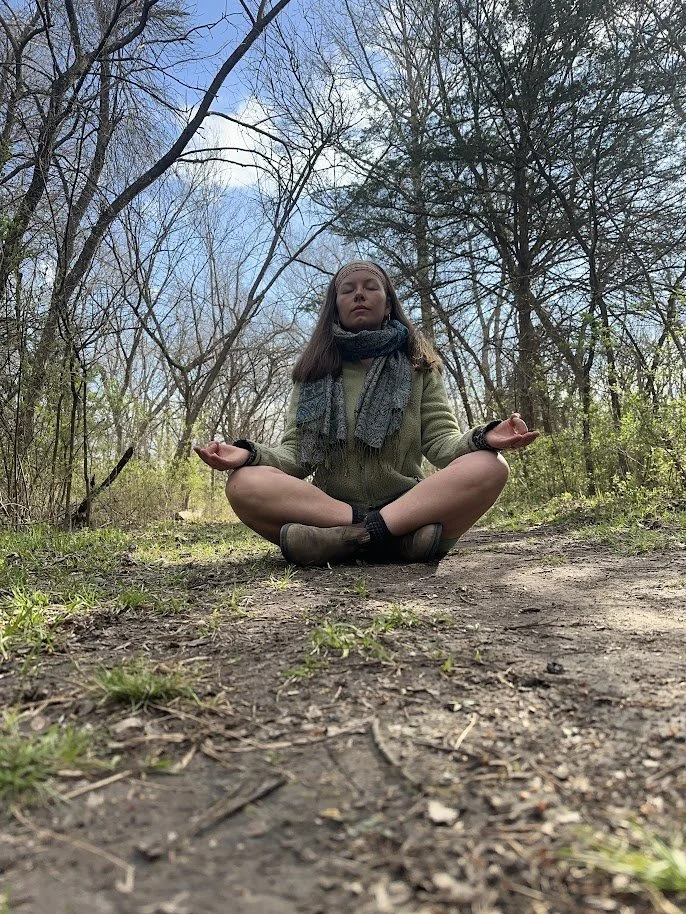
April and May are a time of growth and change as flowers begin to bloom and trees sprout their leaves once more; we begin to change as well. Our winter gloom begins to lift and we begin to thaw. How do you hope to bloom in the coming months?
4 Steps to Self-Growth
Start with a Solid Foundation
In order for anything to grow, the soil must be conditioned. We sprinkle precious nutrients like phosphorus, nitrogen and potassium. Without the proper ratio of nutrients, the plants won’t thrive.
Like plants, we need the perfect amount of different nutrients in order to grow but ours are things like love, peace, joy and a feeling of belonging. What are some other things that you require in order to thrive? What are your beliefs, purposes, and “why?” Have you become disconnected from your values? Realign with these meaningful anchors and create a stable base to plant your seeds of growth. Grounding yourself in your values and motivations allows you to cultivate intentions that will ultimately bear fruit.
Plant New Seeds
New growth starts with planting seeds intentionally. Nothing new can take root unless you commit to planting seeds through purposeful actions. Even with the proper nutrients, plants still need access to sunlight, adequate water and proper elevation. We need ideal conditions for growth too. Identify areas in your life where you feel stagnant or restless, then start preparing the soil by adjusting your habits, mindset, and relationships.
Maybe this is found in your relationship with yourself. How could you be treating yourself differently? Nourish your body and mind creating the ideal conditions to grow. Maybe this stagnation is in regard to your job. What could you change about your job to make it more rewarding and fulfilling? Most of your life is spent at your place of work, make sure it’s a position that you enjoy. No matter where you are hoping to find growth, plant your seeds intentionally making sure you set yourself up for success.
Trust the Process
As any plant parent knows, it takes time for that first leaf to sprout and eventually produce fruit. Anything worth doing takes time and dedication so be patient and trust the process. Each step you take in the right direction should be acknowledged and cared for. Even the smallest thing is worthy of celebration so take the time to celebrate each of your accomplishments and appreciate each step of the process. Don’t get disheartened, you got this.
Seek Support
Plants thrive when they have support and proper care. Seek out a community that builds you up and supports the seeds you have planted. The only way to continue to grow is by being supported by others so choose wisely when building your cohort.
It is always the perfect time to choose growth and change. How will grow this season?
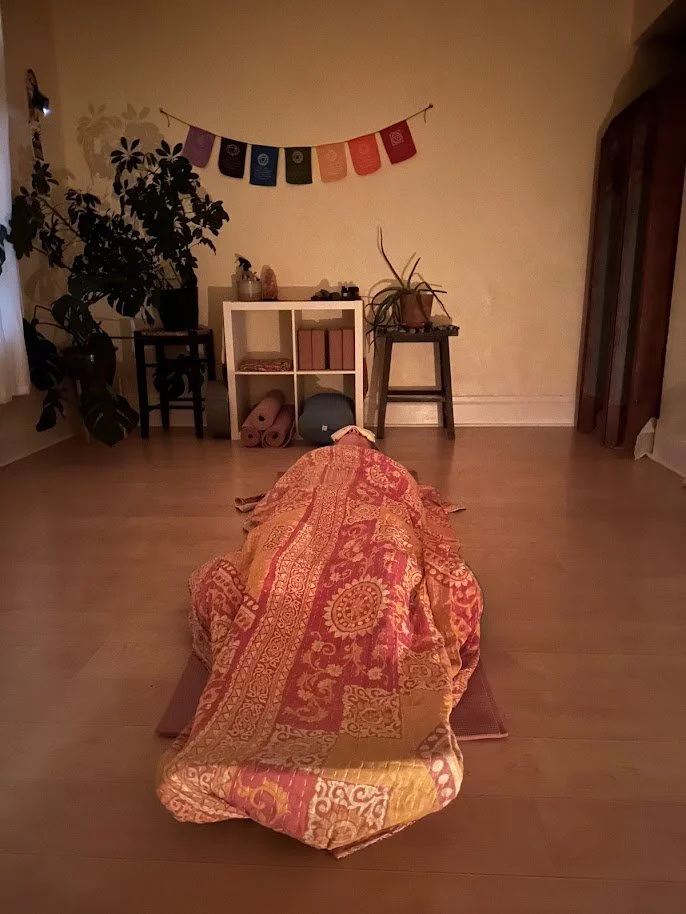
What is a Sound Bath?
A sound bath is an immersive, meditative experience where yogis are “bathed” in the sounds and vibrations of the instruments being played. I use chimes and various metal sound bowls to create different depths of tones to create a deeply relaxing experience.
The frequency of the vibrations interacts with the body’s energy fields and influencing brainwaves. There comes a shift from active beta waves to alpha, theta or delta waves that are associated with relaxation and a meditative state.
What do we gain from them?
Recent studies have emerged that suggest that sound baths like other sound therapy, reduce anxiety, stress and depression, and bring about a sense of calm, relaxation and enhanced mental clarity. Sound baths can also aid in better sleep quality through deep relaxation.
Since sound baths are more passive and accessible, it can be easier to get into a meditative state than when participating in other forms of meditation.
Join us this month on Wednesdays at 6pm!
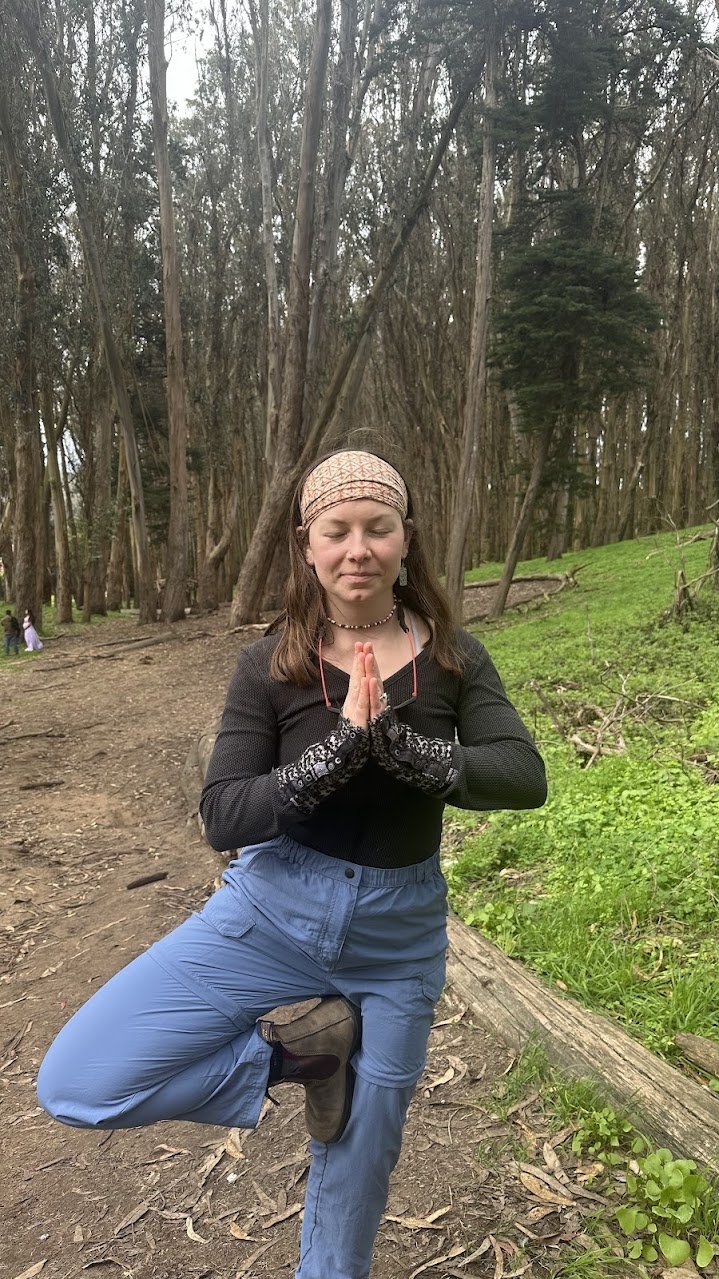
Get the Most Out of Your Yoga Practice
Yoga is usually thought to be a very physical thing. You show up for a class expecting to move through a few stretches, maybe breathe a little deeper than usual, and end with a well-earned savasana at the end. While that physical practice can feel amazing, yoga is so much more than flexibility and strength.
Yoga originated in India over 5,000 years ago and was designed to be practiced alongside any religion or lifestyle. It’s not meant to replace your beliefs — it’s meant to deepen your awareness, your compassion, and your connection to yourself and others. At its heart, yoga is about unity: bringing your body, mind, and spirit into alignment.
The foundation of this path is known as the Eight Limbs of Yoga, outlined in the ancient text the Yoga Sutras of Patanjali. These limbs act as a guide for living a meaningful, balanced life. When you look closely, you may even notice similarities between these teachings and those found in major religions, including Christianity. They are universal truths about how to live well.
Let’s move through these limbs in a meaningful way.
1. Asana – The Physical Practice
When most of us think of yoga, we think of asana — the postures. In the Yoga Sutras of Patanjali, asana is described as a posture that is “steady and comfortable.”
That might surprise you. Steady and comfortable? Not pretzel-like and Instagram-worthy?
Asana was originally intended to prepare the body for meditation. Today, it still does exactly that. When you move your body with intention, stretch tight muscles, and build strength, you’re clearing distractions. You’re learning how to sit with sensation. You’re training your mind to stay present.
That moment when your legs are shaking in Warrior II and you choose to breathe instead of quit? That’s yoga. That resilience carries into everyday life through difficult conversations, long workdays, and stressful situations.
2. Yama – How We Treat Others
Yama refers to social ethics or how we show up in the world.
It includes:
Ahimsa (non-harming) – Choosing kindness over criticism, toward others and yourself. This might look like speaking gently to your body instead of tearing it down.
Satya (truthfulness) – Being honest in your words and your actions. Admitting when you’re overwhelmed instead of pretending you’re fine.
Asteya (non-stealing) – Not taking what isn’t yours, including someone’s time or energy. Showing up on time. Giving credit where it’s due.
Brahmacharya (moderation) – Finding balance instead of excess. Not burning yourself out. Knowing when to rest.
Aparigraha (non-attachment) – Letting go of what no longer serves you, old grudges, unrealistic expectations, or the need to control everything.
The Yamas are deeply practical. They show up in traffic, in relationships and at work. They’re about integrity.
3. Niyama – How We Treat Ourselves
If Yama is about our relationship with the outer world, Niyama is about our inner world.
It includes:
Saucha (purity) – Keeping your body and mind clear. Maybe that’s drinking more water, decluttering your space, or limiting negative self-talk.
Santosha (contentment) – Practicing gratitude for what is, instead of constantly chasing what’s next.
Tapas (discipline) – Showing up even when you don’t feel like it. Choosing growth over comfort.
Svadhyaya (self-study) – Reflecting on your patterns. Journaling. Learning. Asking yourself hard questions.
Ishvarapranidhana (surrender) – Letting go of the illusion that you control everything. Trusting in something bigger than yourself, however you define it.
The Yamas and Niyamas together are like a moral compass. Similar to the Ten Commandments when broken down into daily practice, they guide behavior in a way that fosters harmony and peace.
4. Pranayama – The Power of Breath
“Prana” means life force. Pranayama is the regulation and expansion of that life force through breath.
Think about how your breath changes when you’re stressed, it becomes short, shallow and tight. Now think about how it feels when you’re calm, it’s slow, steady and full.
By consciously working with the breath, you influence your nervous system. You create space between stimulus and response. You give yourself a moment before reacting.
That deep inhale before responding when you’re frustrated? That’s pranayama in real life.
5. Pratyahara – Turning Inward
Pratyahara is often described as the withdrawal of the senses. In today’s world of constant notifications, noise, and stimulation, this limb feels more relevant than ever.
It’s choosing to put your phone down.
It’s sitting quietly in your car before walking into your house.
It’s noticing your thoughts without chasing them.
Pratyahara teaches us that peace doesn’t come from controlling the outside world, it comes from regulating our response to it.
6. Dharana – Focused Concentration
Dharana is the practice of concentration or holding your attention on a single point.
Have you ever been so immersed in something that time seemed to disappear? Reading a book. Creating art. Watching the ocean.
That steady focus is dharana.
On the mat, it might be fixing your gaze on one spot during balance poses. Off the mat, it’s doing one task at a time instead of multitasking your way to becoming overwhelmed.
7. Dhyana – Meditation
If dharana is focus, dhyana is sustained meditation, an uninterrupted flow of awareness.
It’s that quiet space where thoughts pass through but don’t grab your attention. Where you feel grounded and steady even if life is moving quickly around you, think sitting on a bench in a subway.
Meditation doesn’t require a serene setting devoid of distractions. It can happen during a walk, in prayer, or whilst washing dishes. Moments of internal quiet.
8. Samadhi – Unity and Inner Peace
Samadhi is the culmination of the other limbs, a state of deep contentment, joy, and unity.
It’s not about escaping life. It’s about fully inhabiting it without ego, without grasping, without constant striving. Actions are performed without motive.
While this may sound unattainable, small glimpses of samadhi happen more often than we think. It’s moments of awe in nature, profound connection with another person, or overwhelming gratitude. At its core, it’s pure joy.
Bringing It All Together
As you can see, Asanas, Pranayama, the Yamas and Niyamas offer tangible, everyday guidance, while the later limbs, Pratyahara, Dharana, Dhyana, and Samadhi, unfold more gradually through practice and patience.
Don’t let that discourage you.
Yoga is not about perfection and neither is progress. It’s about awareness. It’s about noticing when you fall short and choosing to try again. It’s about allowing your physical practice (asana) to become a gateway to something deeper, a way of living.
Whether you begin with breathwork, ethical reflection, meditation, or simply committing to show up on your mat consistently, each limb supports the others. Together, they transform yoga from something you do into something you embody.
This is just a starting point. If one limb resonates more strongly with you, lean into it. Read about it. Reflect on it. Practice it in small, consistent ways.
Because yoga was never meant to be just a workout, it was meant to be a way to enlightenment.
I hope this brings you love, light and peace.
Namaste,
Anna
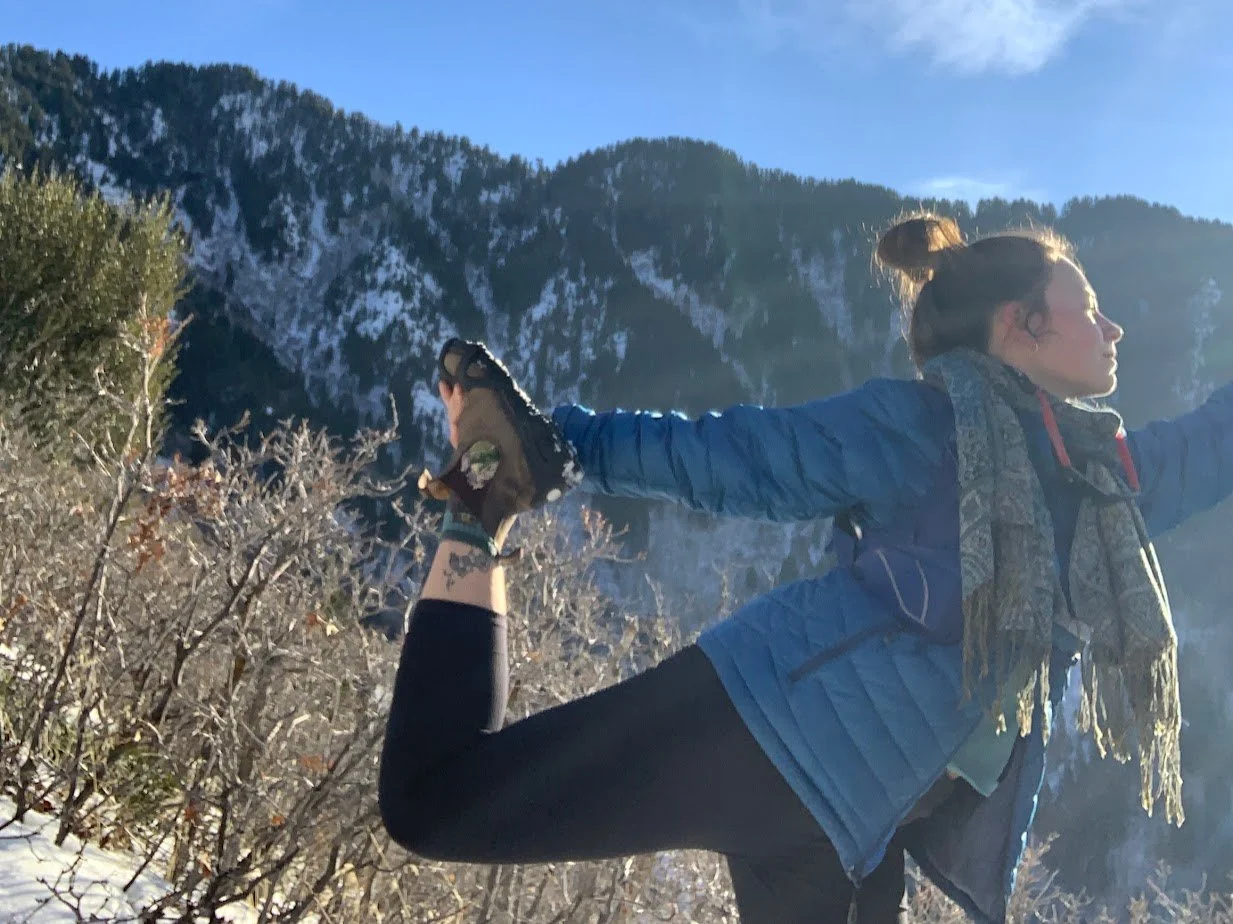
2025, What to Take, What to Leave
Since the beginning of the year, I’ve been in a mood of renewal. Reflecting on what hobbies, habits, and lifestyles I want to cultivate in 2026 and what I will leave in 2025.
What I’m Taking and Leaving in 2026
The start of a new year always brings a quiet invitation to pause. Not to overhaul everything or become a brand-new person overnight, but to take inventory. To notice what feels nourishing, what feels heavy, and what no longer fits the season I’m in.
As I move into 2026, I’m realizing that growth isn’t just about adding more habits, more goals, or more versions of myself. Sometimes it’s about gently setting things down. This year, I’m choosing to be intentional about what I carry forward and what I leave behind.
What I’m Taking with Me Into 2026
Hobbies that bring presence.
I’m keeping the things that help me feel rooted in the moment. The hobbies that help be to be present in the moment. Movement that feels like exploration rather than performance. Creative practices I can return to without pressure to be “good” at them. These are the moments where I feel most like myself, and I want more of that this year. For me, this has been yoga, hiking and painting.
Habits that support my energy.
In 2026, I’m taking habits that feel sustainable. Routines that are flexible, life is never stagnant, and rest that’s treated as essential rather than optional. I’m learning to listen more closely to my own body instead of forcing myself into a system that focuses on productivity. The goal isn’t burn out, it’s balance and loving kindness for myself. I’ve decided to give myself grace, like I would for someone else. This has translated into purchasing a climbing gym membership, sleeping when I need to (7:30am counts as sleeping in when you normally wake up at 5 am!) and having a balance of nights spent with others and nights to myself.
Lifestyles that feel aligned.
I’m choosing a life that reflects who I am now, not who I used to be or who I thought I should become. That means prioritizing community, simplicity, and supporting the things that I’m passionate about NOW. It means leaving space in my schedule and valuing depth over constant motion. Alignment, for me, looks more subtle than it used to through actions like saying no before my plate becomes too full, acknowledging the root cause for certain feelings, and being honest about when I need a break.
What I’m Leaving Behind in 2025
Hobbies that feel like obligation.
I’m letting go of activities I’ve been holding onto out of feelings of obligation or identity attachment. Just because something once brought joy doesn’t mean it has to stay forever. I’m giving myself permission to release hobbies that feel heavy or forced, even if they once mattered a lot.
Habits that drain more than they give.
This year, I’m leaving behind all-or-nothing thinking. The cycles of overcommitting, overconsuming, and overcorrecting. I don’t want habits that require constant discipline to maintain, only ones that support me on both good days and hard ones. Every day is different and the goal is to be better than you were yesterday.
Lifestyles built on external expectations.
I’m stepping away from urgency, comparison, and the need to be constantly available. I’m done shaping my days around what looks impressive from the outside. In 2026, I want my life to feel honest, not performative.
How I’m Deciding What Stays and What Goes
I’m asking myself simple questions:
Does this give me energy or quietly take it away?
Do I feel more grounded or scattered afterward?
Does this align with who I am, not just who I’ve been?
I’m also reminding myself that it’s okay to change my mind. Growth isn’t linear, and clarity often comes from trying, releasing, and trying again.
Making Space for What’s Next
Letting go isn’t a loss, it’s an opening. By releasing what no longer fits, I’m making room for new ideas, deeper connections, and space for myself. I don’t need to know exactly what the future will bring. I just want to create the space to receive it.
A Closing Reflection
If you’re entering the rest of the year feeling unsure or confused, you’re not behind, you’re evolving. Maybe this is your invitation to make your own “take and leave” list. Not as a rulebook, but as a reflection. A chance to look at what is and isn’t working in your life and how you want to make change.
You’re allowed to change.
You’re allowed to outgrow things.
You’re allowed to choose a life that feels like it’s yours.
And that feels like a good way to spend 2026.
Cause nothing will change unless you do.
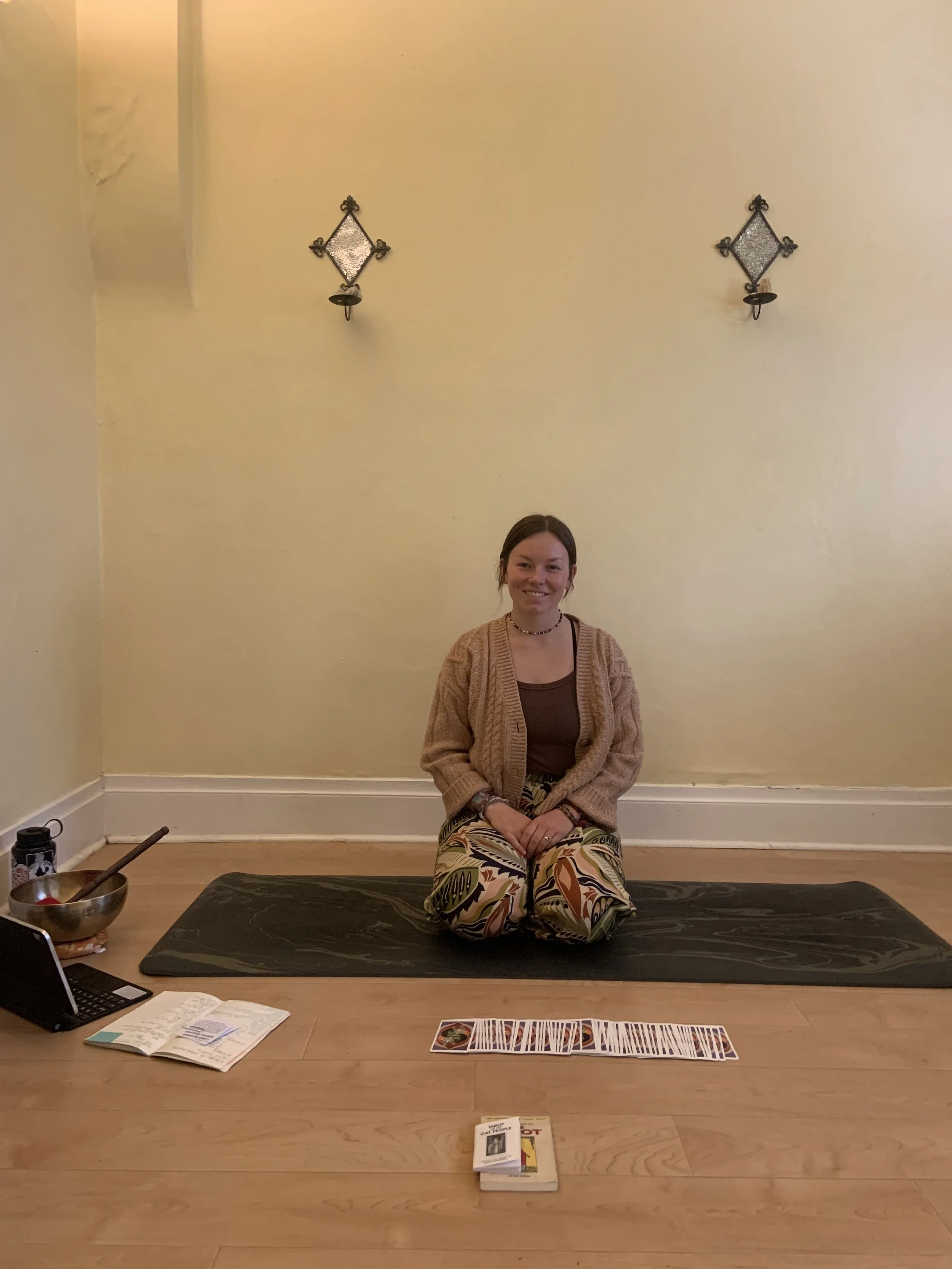
Begin to Journal
Don’t know where to start when it comes to journaling? Begin your journey here.
Winter is the best time to begin your journaling journey. Slowing down and spending more time inside gives us the perfect time to look inward and begin to notice things about yourself. This time of self-reflection can help you discover yourself, if you choose to give it that power. Journaling, whether that is strictly writing down how you're feeling or expressing yourself through art is a great way to look inward. The most important thing about journaling, just like anything else is consistency. You can't do something once and expect change. It's a process that can be hard to commit to sometimes. But studies show that if you do something for just 60 days (2 months), it becomes a habit that is hardwired in your system. So here are some ways to start journaling for the next two months, let's keep each other accountable.
Step One:
Find a journal that you like working in. Do you prefer bigger or smaller notebooks? Lined, dotted or blank? Maybe a pre-made journal with prompts like this one. Then get some fun pens or markers and run with it!
Step Two:
When do you feel more creative or willing to write down/draw your feelings?
Maybe mornings work better for you. Or you're a night owl and tend to have creative energy then (this is me). Choose a time that you are usually free to journal and stick with it. The consistency will help you fall into this habit a little easier.
Step Three:
Create a space that you can go to journal. Ideally, this is a table of sorts that has all your art supplies or stationery. Make this space cozy with mood lighting, a candle and a comfy chair. Create a space you'll WANT to be in. Having a space that is dedicated to art will put you in the mindset to journal whenever you are there.
Step Four:
Now that you have a journal, a set time, and a cozy space, what do you write about? Yes, writer's block can inflict people that are simply writing about themselves too. It's hard to even know where to begin but here are some prompts to get you started and then from there, the world is your oyster, make it your own.
How do I tend to cope with stress?
What is something that made me smile today?
What are three things I noticed while commuting today?
Who is one of my mentors right now and why?
In what ways do I feel loved right now?
Describe a moment that I felt at peace today.
What is some advice I would give to my younger self? (take that advice)
Let's keep each other accountable. Tell your friends and family about things that you have journaled about recently. How did you feel over the holiday season when your aunt Charlene didn't like your mashed potatoes? What did it inspire you to write about? Normalizing journaling and telling others about your routine will ensure that you keep doing it. Who knows, maybe they’ll start to journal too.
Happy journaling!
Anna :)